Thinking Outside of the Box
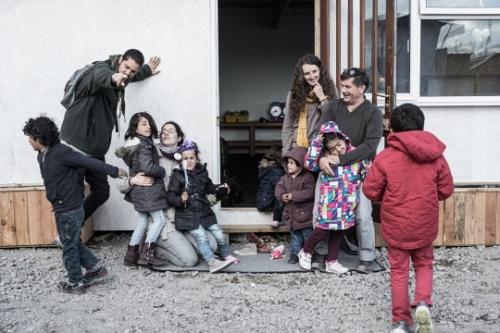
In the North of Paris, the Carton plein association collects, cleans and sells discarded boxes. People in precarious situations recycle, deliver by bike and help move – gaining professional and life skills in the process.
Indépendant | ø pub | Accès libre
L'injustice sociale disparait du radar médiatique
Santé, éducation, logement, salaires... Ces sujets essentiels sont relégués au second plan dans les médias, masquant des inégalités qui ne cessent de s’aggraver partout.
Pour faire grandir Basta! et braquer la lumière sur l’injustice sociale et les solutions pour la combattre, nous avons besoin de 100 000 euros avant le 31 décembre.
À vous de jouer : faites un don au journal et devenez un pilier de notre communauté ! 🔥
In the North of Paris, the Carton plein association collects, cleans and sells discarded boxes. People in precarious situations recycle, deliver by bike and help move – gaining professional and life skills in the process.
While ninety companies are responsible for two-thirds of recorded greenhouse gas emissions worldwide, journalists, scientists, academics and artists among 100 signatories calling for keeping fossil fuels in the ground. They call for mass mobilisation on the scale of the slavery abolition and anti-apartheid movements to trigger “a great historical shift”.
Personalities across the continent are deeply worried by the delicining moral standards in Europe these days: “They encourage racism, anti-Semitism, and Islamophobia rather than goodwill, fair treatment, and a proper organisation of migrant reception.” These personalities call on politicians and the media to change their outlook on migrants, while 22,000 of them have died in the last 15 years while trying to reach Europe. They initiated the idea of solidarity marches. The first of these marches should be take place between Calais and Brussels in August.

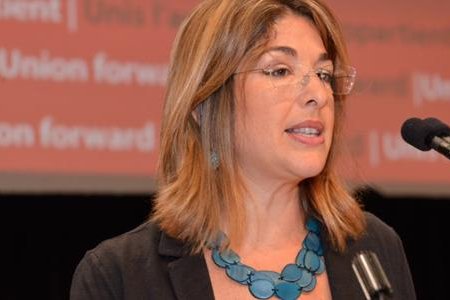
Given the massive inequalities generated by capitalism and the ecological urgency of climate change, “everything can change”, Naomi Klein claims in a new book. Provided we do not “give in to despair”, because “too many lives are at stake”, and “fight for a more just economic system”. The Canadian anti-globalization activist and essayist is famous for her inspired criticism of capitalism: No Logo denounced the tyranny of global brands, and The Shock Doctrine the brutality of neoliberal reforms. She now takes aim at the total impunity of major oil and gas corporations which have declared war on our planet. Interview and video.
Late in the night, 194 countries of the UN framework convention on climate change finally found an agreement in Lima. Far from satisfactory, this agreement jeopardizes any “historic agreement” in Paris. In a statement, more than forty civil society organizations say they “will reclaim power from those who don’t act in our interests”. “We are struggling for survival and for the safety and security of our homes and livelihoods from climate disasters”. Our website Basta! relays their statement.

A enormous tailings pond containing waste from a nearby gold and copper mine collapsed last month in British Columbia (B.C.), releasing billions of litres of wastewater and toxic sludge into nearby lakes and streams. A local state of emergency was called following the incident, and a temporary ban put on using water from the area. But was this just an unfortunate accident, or the inevitable result of Canada’s increasingly lax and mining-friendly environmental regulation?

Deforestation, child labour, underpaid farmers: in the countries where it’s grown, cocoa isn’t really synonymous with social well-being. Whilst chocolate giants such as Mars, Mondelez or Nestle have never been doing so well, the cocoa industry is failing both socially and environmentally. The food multinationals are trying to react by announcing a shift towards ‘responsible’ cocoa, with a number of fair trade certifiers offering them customised labels. But for Mars and others, these moves are primarily a way to secure and optimize their supply chain.
This article was originally published in French. Translation: Jocelyn Timperley. ‘Manufacturers must answer for the poisoning caused by PCBs!’ demands the Coalition against Bayer Dangers, a German organisation that has fought against the abuse of the (…)
This article was originally published in French. Translation: Mathilde Balland. Who ever said that sustainable development was incompatible with profit? The boss of the food and beverage multinational Unilever, Paul Polman, received for the first time in (…)
Holdings, foundations and subsidiaries all around the world, all entangled in complex structures: the owners and managers of the Swedish multinational IKEA are expert at cultivating obscurity and concealment, and they seem to have a fondness for tax havens and tax-‘optimising’ financial arrangements: i.e. avoiding tax as much as possible. Rachel Knaebel digs into this financial maze, so remote from the philanthropic ideas promoted by IKEA’s founder.